Located within Indonesia’s Komodo National Park, Komodo Island stands as one of the world’s most fascinating and extraordinary travel destinations. Known widely as the home of the Komodo dragon, the largest living lizard on Earth, the island offers an experience that blends wildlife encounters, stunning landscapes, and pristine tropical waters. Whether you’re an adventurer, a nature lover, or a curious traveler, Komodo Island promises unforgettable moments at every turn.
Here are the top highlights that make Komodo Island one of Indonesia’s greatest treasures.
1. The Legendary Komodo Dragons
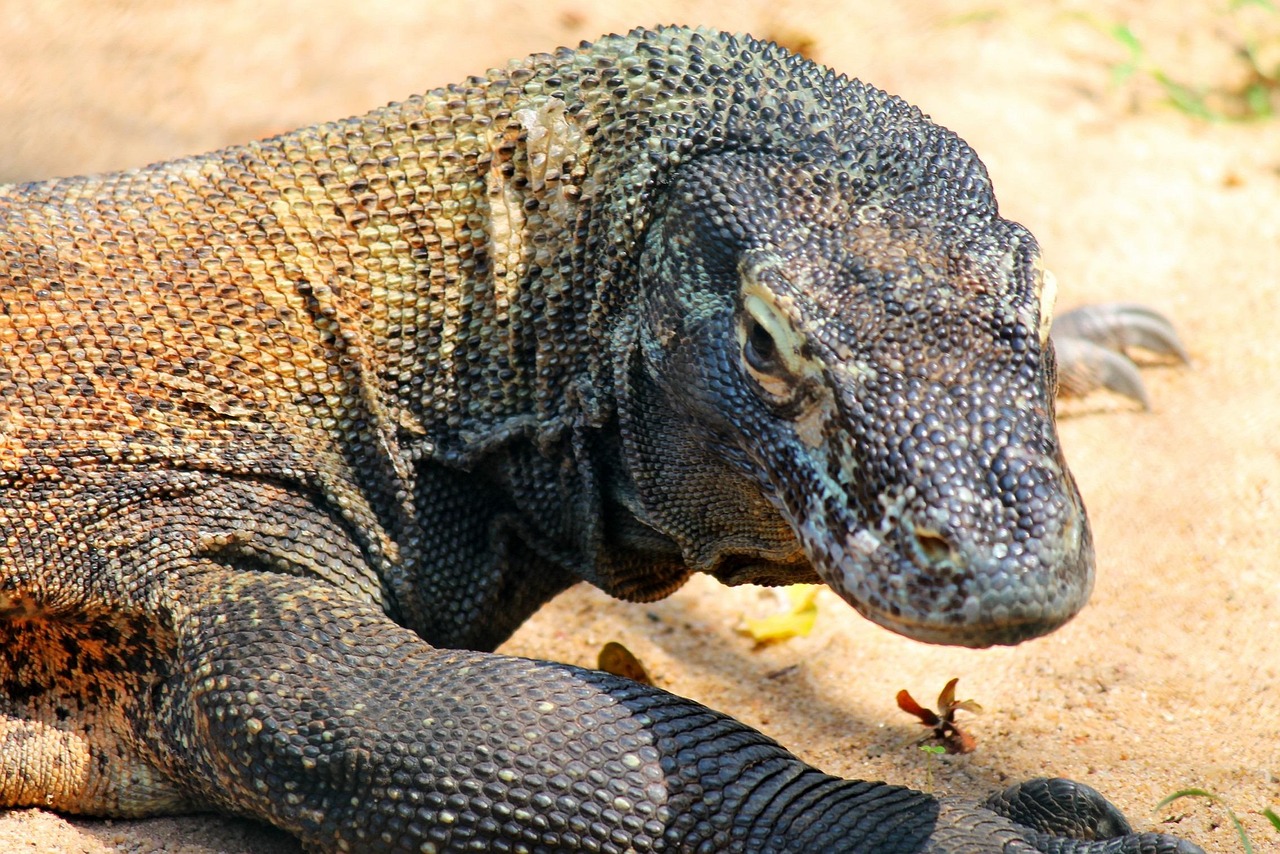
The main attraction of the island is, of course, the Komodo dragons—powerful reptiles that can reach up to 3 meters in length. Visiting Komodo Island allows travelers to observe these ancient creatures in their natural habitat.
Guided by trained rangers, visitors can explore designated trails while learning about:
- The dragons’ behavior and feeding habits
- Conservation efforts to protect the species
- The ecological importance of Komodo National Park
Seeing these prehistoric animals up close is a once-in-a-lifetime experience.
2. Pink Beach — A Rare Natural Wonder
Komodo Island is home to one of the world’s very few pink-sand beaches. The sand’s soft pinkish color comes from crushed red coral mixed with white sand, creating an exotic and photogenic shoreline.
Pink Beach is perfect for:
- Snorkeling in clear turquoise waters
- Relaxing on a unique colorful beach
- Enjoying shallow reefs filled with vibrant marine life
It’s one of the most stunning spots in the Komodo region.
3. Snorkeling and Diving Paradises
Komodo Island and its surrounding waters are part of the Coral Triangle, known for having some of the richest marine biodiversity in the world. Popular activities include:
- Snorkeling among colorful corals and tropical fish
- Diving with manta rays, turtles, and reef sharks
- Exploring underwater walls, coral gardens, and unique marine ecosystems
Nearby sites like Manta Point, Batu Bolong, and Tatawa Besar are world-famous among divers.
4. Bukit Sylvia (Sunset Point)
For breathtaking land views, Bukit Sylvia—or Sunset Point—is a must-visit. The rolling hills, golden grasslands, and expansive sea views create a picture-perfect setting. Sunset here paints the entire landscape in warm colors, making it one of the most memorable experiences in Komodo National Park.
5. Padar Island (Nearby Icon)
Although not on Komodo Island itself, Padar Island is often included in Komodo tours and is one of Indonesia’s most iconic landscapes. The viewpoint overlooking three crescent-shaped beaches is considered one of the best photo spots in the country. Most travelers combine Padar, Komodo Island, and Pink Beach in a single trip.
6. Rinca Island — Another Dragon Haven
Another nearby highlight is Rinca Island, which also hosts Komodo dragons and offers slightly different terrain and easier trekking routes. Many travelers enjoy visiting both islands for a complete Komodo experience.
7. Rich Local Culture
The villages around Komodo National Park, including Komodo Village and surrounding islands, offer glimpses into local culture. Visitors can learn about traditional fishing, local crafts, and the simple lifestyle of the communities who have lived near Komodo dragons for generations.
A Journey Into the Wild
Komodo Island is more than just a tourist destination—it’s a rare and remarkable blend of wildlife, adventure, and untouched natural beauty. Whether you’re exploring its wild landscapes, diving in its crystal-clear waters, or admiring its pink-sand beaches, Komodo offers experiences you’ll never forget.
Travel is the movement of people between relatively distant geographical locations, and can involve travel by foot, bicycle, automobile, train, boat, bus, airplane, or other means, with or without luggage, and can be one way or round trip. Travel can also include relatively short stays between successive movements.
The origin of the word “travel” is most likely lost to history. The term “travel” may originate from the Old French word travail, which means ‘work’. According to the Merriam Webster dictionary, the first known use of the word travel was in the 14th century.
It also states that the word comes from Middle English travailen, travelen (which means to torment, labor, strive, journey) and earlier from Old French travailler (which means to work strenuously, toil). In English we still occasionally use the words “travail”, which means struggle. According to Simon Winchester in his book The Best Travelers’ Tales (2004), the words “travel” and “travail” both share an even more ancient root: a Roman instrument of torture called the tripalium (in Latin it means “three stakes”, as in to impale).