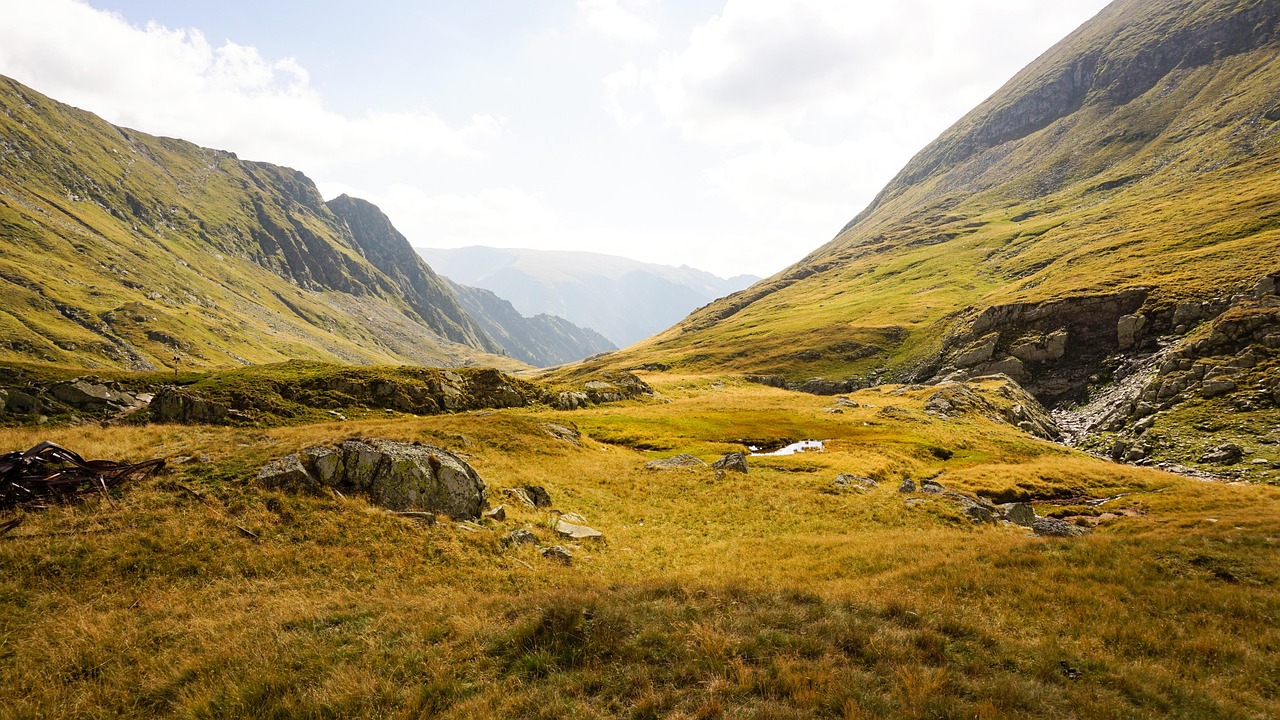
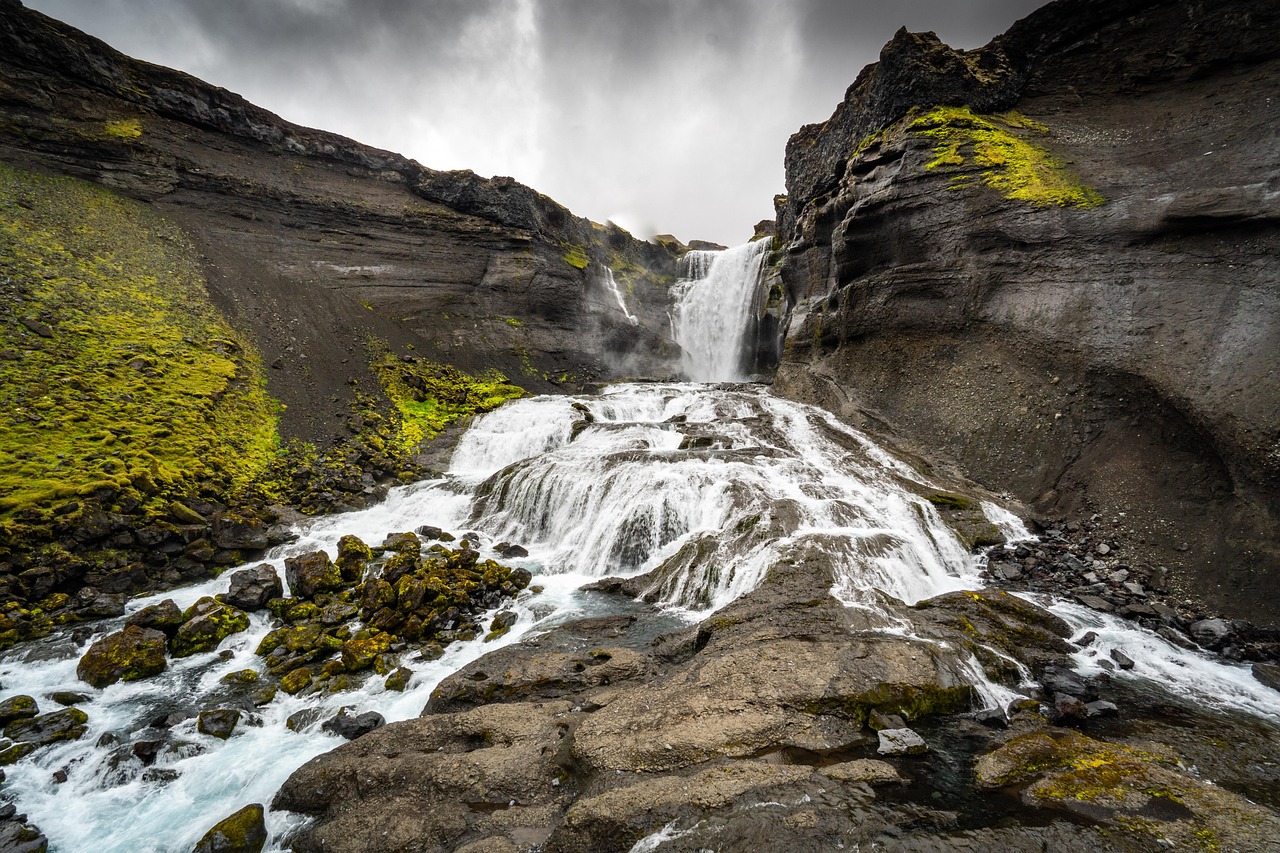
Hidden in the highlands of Flores, East Nusa Tenggara, Kelimutu Lake stands as one of Indonesia’s most unique and awe-inspiring natural wonders. Known for its three volcanic crater lakes, each with its own distinct and ever-changing color, Kelimutu has captured the fascination of travelers, scientists, and photographers from around the world. Its mystical beauty, cultural significance, and serene atmosphere make it a must-visit destination for anyone exploring the Indonesian archipelago.
Here are the highlights that make Kelimutu a truly extraordinary tourist attraction.
1. The Three Colored Lakes
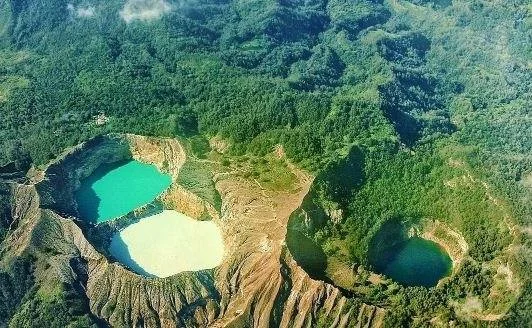
The main attraction of Mount Kelimutu National Park is its trio of crater lakes:
- Tiwu Ata Bupu (Lake of Old People) – typically deep blue
- Tiwu Ko’o Fai Nuwa Muri (Lake of Young Men and Maidens) – often green or turquoise
- Tiwu Ata Polo (Bewitched or Enchanted Lake) – usually reddish or brownish
What makes these lakes truly magical is that their colors change periodically, influenced by volcanic gases, mineral content, and chemical reactions. Visitors may return at different times and witness completely different hues.
2. Sunrise at the Kelimutu Viewpoint
One of the most breathtaking experiences at Kelimutu is watching the sunrise from the main viewpoint. Before dawn, travelers climb the well-maintained path to the summit to witness the sky turn pink, orange, and gold as the sun rises above the mountains.
The morning mist slowly lifting from the lakes adds a mystical touch, creating a serene and unforgettable moment.
3. Cultural and Spiritual Significance
For the local Lio people, the lakes are deeply spiritual. Each lake is believed to be the final resting place of different kinds of spirits, representing the cycle of life and the destiny of souls. This cultural perspective adds depth and meaning to the natural beauty of the place.
Visitors can often learn more about local beliefs and traditions from the nearby villages and local guides.
4. Scenic Trekking Routes
The trek to Kelimutu is relatively easy and suitable for most travelers. Along the way, visitors can enjoy:
- Lush forests
- Exotic bird species
- Cool mountain air
- Beautiful panoramic views
The national park is also home to unique flora and fauna, including the endangered Flores giant rat and a variety of endemic plants.
5. Moni Village — The Gateway to Kelimutu
Most travelers stay in Moni Village, a charming and peaceful settlement at the foot of the mountain. The village offers:
- Cozy guesthouses
- Local cafés
- Traditional weaving
- Warm interactions with locals
Moni is also surrounded by rice terraces, waterfalls, and hot springs that make the area perfect for a slow, relaxing exploration.
6. Nearby Attractions
After visiting the lakes, travelers often explore attractions around Flores, such as:
- Koka Beach – famous for its white sand and turquoise water
- Wologai Traditional Village – home to traditional Lio houses
- Ende and Maumere towns – offering local markets, beaches, and sea views
These spots complement the natural and cultural experience of Kelimutu.
A Journey Into Nature’s Mystique
Kelimutu Lake is more than just a scenic spot—it’s a place filled with natural wonder, cultural meaning, and peaceful beauty. Whether you’re watching the lakes shift colors, witnessing a magical sunrise, or learning about the spiritual beliefs of the Lio people, Kelimutu offers a travel experience that stays in your heart.
Travel is the movement of people between relatively distant geographical locations, and can involve travel by foot, bicycle, automobile, train, boat, bus, airplane, or other means, with or without luggage, and can be one way or round trip. Travel can also include relatively short stays between successive movements.
The origin of the word “travel” is most likely lost to history. The term “travel” may originate from the Old French word travail, which means ‘work’. According to the Merriam Webster dictionary, the first known use of the word travel was in the 14th century.
It also states that the word comes from Middle English travailen, travelen (which means to torment, labor, strive, journey) and earlier from Old French travailler (which means to work strenuously, toil). In English we still occasionally use the words “travail”, which means struggle. According to Simon Winchester in his book The Best Travelers’ Tales (2004), the words “travel” and “travail” both share an even more ancient root: a Roman instrument of torture called the tripalium (in Latin it means “three stakes”, as in to impale).