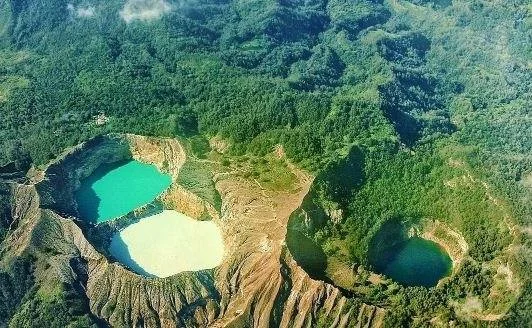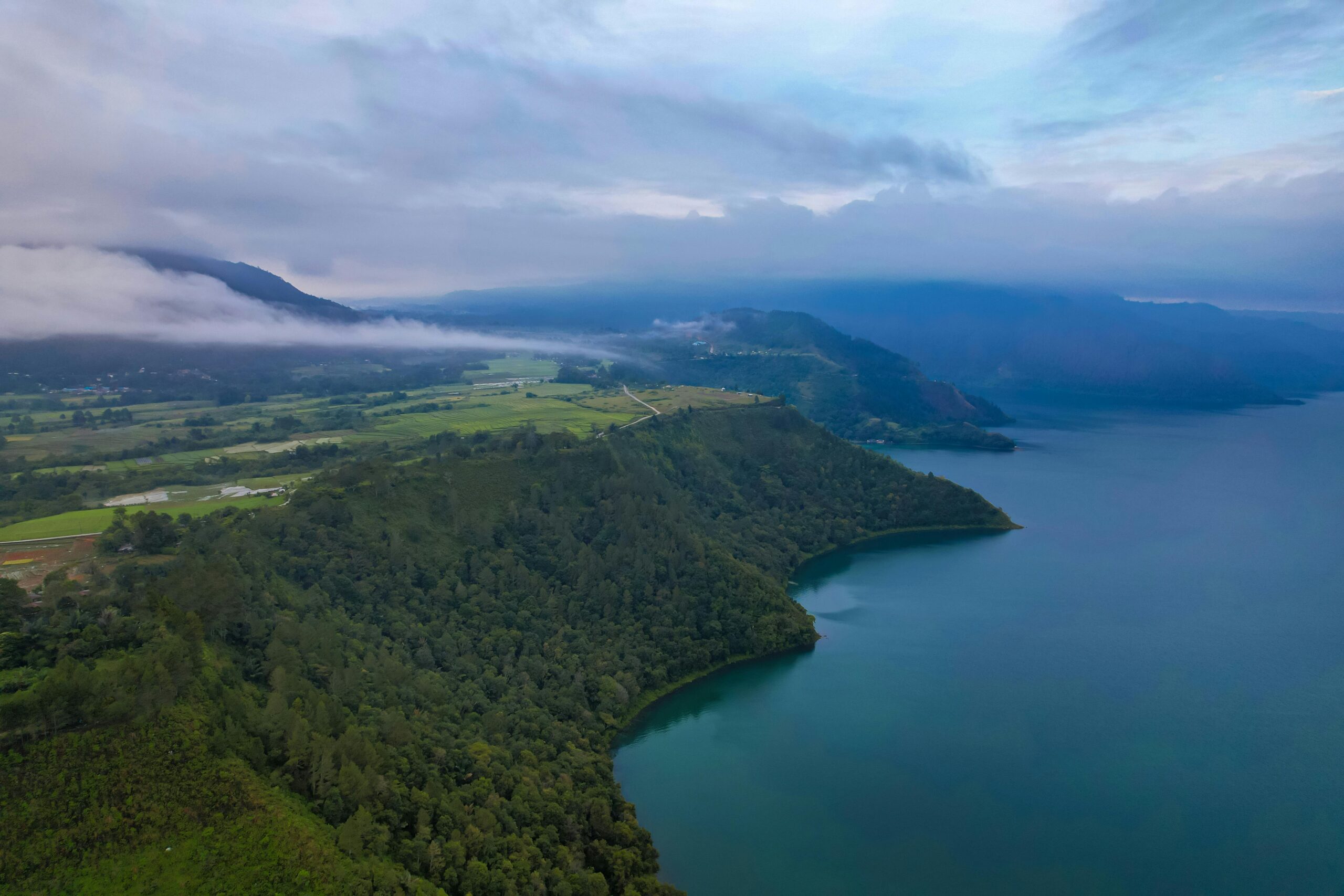
Nestled in the lush highlands of North Sumatra, Lake Toba stands as one of Indonesia’s most astonishing natural wonders. Known as the largest volcanic lake in the world, Lake Toba stretches over 1,145 square kilometers and reaches depths of more than 500 meters. Its vast beauty, cool climate, and rich cultural heritage make it a top destination for travelers seeking tranquility, nature, and unique experiences.
Here are the highlights that make Lake Toba an unforgettable tourist destination.
1. Samosir Island
At the center of Lake Toba lies Samosir Island, a massive island almost the size of Singapore. Visitors can explore traditional Batak villages, serene lakeside viewpoints, and picturesque landscapes. Popular spots include:
- Tomok Village – home to ancient stone tombs of Batak kings
- Tuk Tuk – a tourist-friendly area with homestays, cafés, and lakefront resorts
- Ambarita Village – featuring ancient stone chairs once used for tribal ceremonies
Samosir provides a unique blend of culture, history, and natural beauty.
2. Batak Culture & Traditions
The Batak Toba people are known for their warm hospitality, traditional music, and unique architecture. The iconic Batak houses, with their pointed roofs and intricate carvings, can be seen across the region. Many cultural shows include:
- Sigale-gale dance
- Traditional ulos weaving
- Batak musical performances
Experiencing Batak culture is one of the most meaningful parts of a Lake Toba visit.
3. Lumban Suhi-Suhi Weaving Village
Located on Samosir Island, this village is famous for its handwoven ulos—traditional Batak cloth symbolizing blessings and heritage. Visitors can watch artisans create ulos using traditional techniques or buy this meaningful textile as a cultural souvenir.
4. Tele View Tower
For panoramic views of Lake Toba’s dramatic cliffs and sparkling waters, Tele View Tower is one of the best vantage points. The towering hills and winding roads create a breathtaking scene, especially during sunrise and sunset.
5. Sipiso-piso Waterfall
On the northern edge of Lake Toba lies the iconic Sipiso-piso Waterfall, one of Indonesia’s tallest at 120 meters. The waterfall cascades dramatically into a deep canyon, offering stunning photo opportunities. A viewpoint near the top provides sweeping views of both the waterfall and Lake Toba in the distance.
6. Pusuk Buhit
A sacred mountain for the Batak people, Pusuk Buhit is believed to be the birthplace of the Batak tribe. Adventurous visitors can trek up the mountain to enjoy panoramic views and experience the spiritual significance of this cultural landmark.
7. Holbung Hill (Teletubbies Hill)
This scenic hill in Samosir offers rolling green landscapes reminiscent of the Teletubbies show. With gentle slopes and calm breezes, Holbung Hill is perfect for hiking, photography, or simply enjoying the lake’s peaceful atmosphere.
8. Parapat Town
As one of the main gateways to Samosir, Parapat offers lakeside resorts, local markets, and relaxing views of Lake Toba. It’s also a great spot to try authentic Batak cuisine such as naniura, arsik, or saksang.
A Destination of Nature, Culture, and Serenity
With its dramatic volcanic landscapes, vibrant Batak traditions, and tranquil lakeside charm, Lake Toba is more than just a tourist spot—it’s a place of peace, history, and natural wonder. Whether you’re exploring ancient villages, trekking through scenic hills, or simply relaxing by the water, Lake Toba promises a truly unforgettable experience.
Overview
Travel is the movement of people between relatively distant geographical locations, and can involve travel by foot, bicycle, automobile, train, boat, bus, airplane, or other means, with or without luggage, and can be one way or round trip. Travel can also include relatively short stays between successive movements.
The origin of the word “travel” is most likely lost to history. The term “travel” may originate from the Old French word travail, which means ‘work’. According to the Merriam Webster dictionary, the first known use of the word travel was in the 14th century.
It also states that the word comes from Middle English travailen, travelen (which means to torment, labor, strive, journey) and earlier from Old French travailler (which means to work strenuously, toil). In English we still occasionally use the words “travail”, which means struggle. According to Simon Winchester in his book The Best Travelers’ Tales (2004), the words “travel” and “travail” both share an even more ancient root: a Roman instrument of torture called the tripalium (in Latin it means “three stakes”, as in to impale).